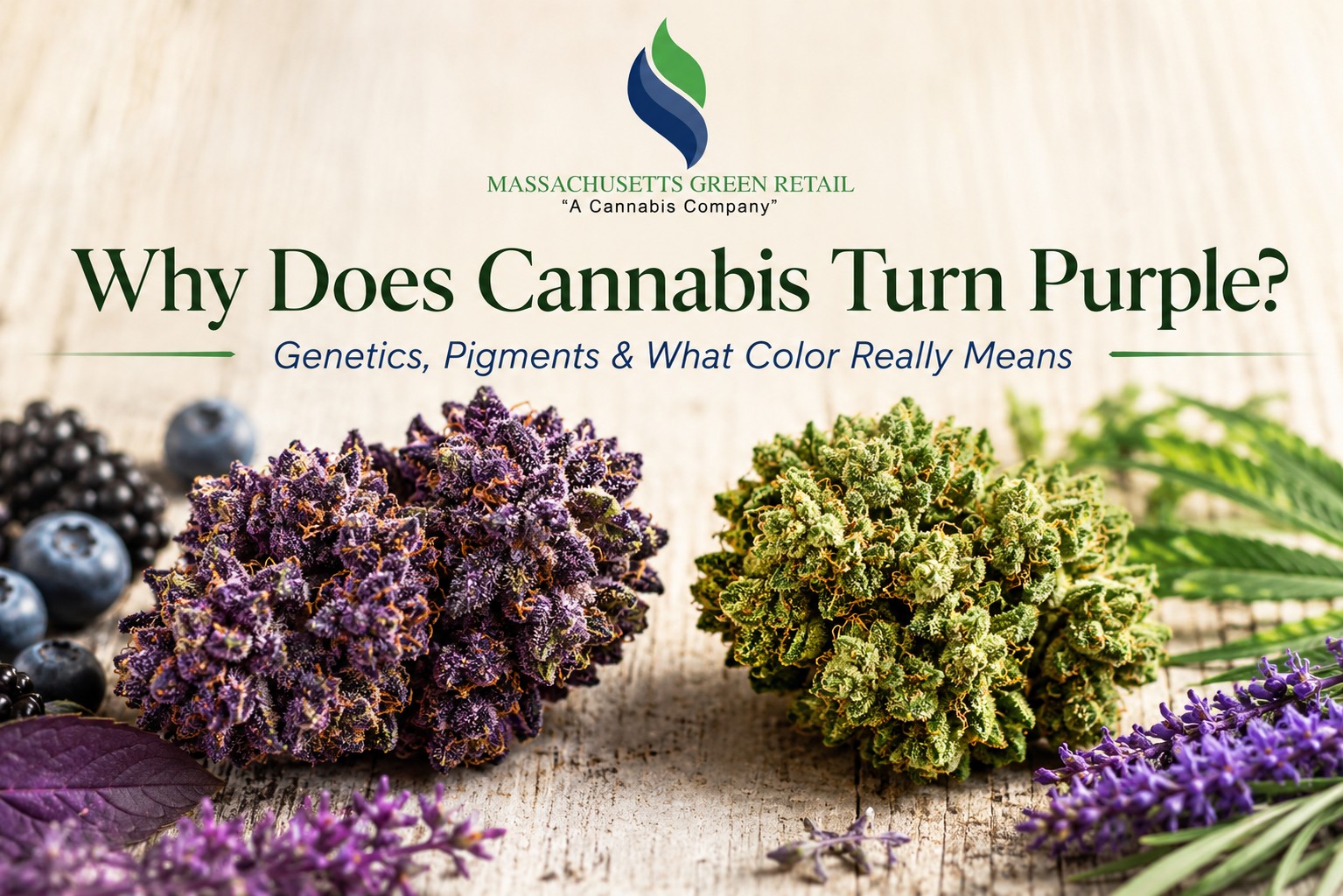
Purple cannabis can immediately stand out on a dispensary shelf. Some flower develops deep violet leaves, lavender highlights, dark purple calyxes, or nearly black-looking areas, while other cultivars remain bright green.
That color is primarily associated with natural plant pigments called anthocyanins. Genetics play a major role in determining whether a cannabis plant can produce noticeable purple pigmentation, while growing conditions such as temperature may influence how strongly those colors are expressed.
Purple flower can certainly be visually impressive—but color alone does not tell you how potent, flavorful, fresh, or high-quality a cannabis product will be.
What Gives Cannabis Its Purple Color?
Cannabis contains several types of natural plant pigments.
Green coloration comes largely from chlorophyll. Purple, red, and bluish coloration can result from anthocyanins, a family of pigments also responsible for many of the colors found in berries, grapes, purple cabbage, and other plants.
Cannabis-specific research has confirmed that anthocyanins occur in both vegetative and floral tissues. A 2023 study identified cyanidin-3-rutinoside, also called keracyanin, as a major anthocyanin in the cannabis plants researchers examined.
More recent genetic research has also found substantial diversity in cannabis genes associated with anthocyanin production, helping explain why different cultivars can display dramatically different amounts and patterns of purple pigmentation.
Genetics Come First
A plant generally needs the genetic ability to produce and accumulate these pigments before it can become strongly purple.
That means simply exposing any cannabis plant to cooler temperatures will not automatically transform it into deep purple flower.
Some cultivars naturally express:
- Purple leaves
- Violet flower tissue
- Red-purple stems
- Lavender highlights
- Dark purple or nearly black coloration
Other cultivars may remain predominantly green under similar growing conditions.
This is one reason cannabis flower can look so different from cultivar to cultivar—and even between different genetic selections of related plants.
Can Cold Temperatures Make Cannabis Purple?
Temperature can influence pigmentation, but the common idea that “cold makes weed purple” is an oversimplification.
A 2025 cannabis study examined plants genetically capable of producing purple pigmentation under different temperatures. Researchers found that anthocyanin accumulation changed substantially with temperature, showing that environmental conditions can influence how strongly genetically purple plants express their color.
The important distinction is:
Temperature can influence purple expression, but genetics determine whether the plant has the underlying capacity to produce that pigmentation.
Extreme growing conditions are also not automatically beneficial. Cultivators balance temperature, humidity, lighting, plant health, yield, cannabinoid development, and many other factors rather than simply trying to make flower as purple as possible.
Does Purple Cannabis Have More THC?
Not necessarily.
Purple color is primarily a pigmentation characteristic. THC and other cannabinoids are separate compounds produced through different biological pathways.
A purple cultivar may test high in THC, moderate in THC, or comparatively low in THC. The same is true for green flower.
Research examining temperature effects in cannabis has even found that anthocyanin accumulation and cannabinoid production can respond differently to environmental conditions rather than increasing together in a predictable way.
Instead of judging potency by color, read the actual product label.
Massachusetts cannabis products sold through licensed businesses must undergo required compliance testing, and product labels must report cannabinoids and their respective amounts.
Does Purple Mean Better Quality?
No.
Color can contribute to visual appeal, but it should not be used as a standalone quality grade.
A beautiful purple bud can still be:
- Too dry
- Poorly stored
- Old
- Weak in aroma
- Improperly trimmed
- Less appealing to your personal preferences
Likewise, vibrant green flower may be extremely fresh, aromatic, and carefully cultivated.
When comparing flower, consider the complete product:
- Producer
- Cultivar
- Package date
- Testing information
- Cannabinoid profile
- Reported terpene profile
- Aroma
- Bud structure
- Moisture and freshness
- Storage conditions
Appearance is useful information. It simply isn’t the entire story.
What About Orange Hairs and White Crystals?
Purple is only one of the colors you may notice when looking closely at cannabis.
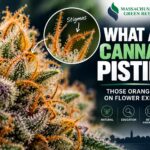
Orange or brown hairs
The hair-like structures visible on flower are associated with the plant’s reproductive structures. Their color may change as flowers mature and dry.
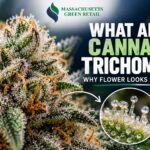
Frosty or crystal-like coating
What looks like frost on cannabis is largely made up of trichomes, microscopic structures found on the plant’s surface.
Trichomes are associated with production and storage of cannabinoids, terpenes, and other compounds. They should not be confused with anthocyanin pigments, even though both contribute to the flower’s overall appearance.
A flower can therefore be green, purple, heavily frosted, lightly frosted, orange-haired, or some combination of these characteristics.
Can Purple Color Tell You What the Cannabis Will Feel Like?
No.
Color cannot reliably predict whether a product will produce a particular experience.
The effects of cannabis can vary based on:
- THC amount
- Other cannabinoids
- Product format
- Serving amount
- Individual tolerance
- Previous cannabis experience
- Other substances consumed
- Personal factors
Even strain names and familiar indica, sativa, or hybrid labels have limitations when used as predictors of a specific experience.
Purple coloration is better understood as a plant characteristic, not an effect category.
Why Does Purple Flower Sometimes Cost More?
Visually distinctive cannabis may attract more attention, and certain highly sought-after genetics can command premium pricing.
However, shoppers should avoid paying more solely because flower is purple.
Instead, compare:
- The producer
- Freshness
- Package size
- Cannabinoid results
- Terpene information
- Cultivation reputation
- Overall flower condition
- Your previous experience with the product
A striking appearance can be part of what makes cannabis interesting, but value ultimately depends on more than pigmentation.
Questions to Ask Your Budtender
If a purple cultivar catches your eye, consider asking:
- Is this cultivar normally purple?
- Who cultivated this batch?
- When was it packaged?
- What cannabinoids were reported?
- Are terpene results available?
- What aromas stand out?
- Is this a new batch?
- How does it compare with other flower from the same producer?
These questions provide much more useful information than simply asking whether purple flower is stronger.
Explore Cannabis Flower at Massachusetts Green Retail
Massachusetts Green Retail carries a changing selection of cannabis flower from licensed Massachusetts producers, including cultivars with a wide variety of colors, structures, aromas, cannabinoid profiles, and terpene characteristics.
Adults visiting our cannabis dispensary in Lynn, MA can compare available flower with help from the MGR team and learn more about the information shown on each package.
Massachusetts adult-use cannabis is available only to adults 21 years of age or older through licensed retailers.
Browse the Massachusetts Green Retail online menu or visit us at 829 Boston Street in Lynn to see what flower is currently available.
Final Thoughts
Purple cannabis gets its striking appearance primarily from natural anthocyanin pigments. Genetics play the biggest role in determining whether a plant can develop strong purple coloration, while environmental factors such as temperature can influence how much pigmentation ultimately appears.
But purple does not automatically mean stronger, fresher, or better.
Use color as one interesting characteristic among many. Look at the producer, current batch, cannabinoids, terpenes, freshness, aroma, and your own preferences before deciding what belongs in your cart.
 Massachusetts Green Retail Inc. offers a wide variety of top-notch recreational products at unbeatable prices, all while staying committed to our local roots! Shop online for pickup and come visit us to discover not only amazing deals but also a friendly atmosphere where our knowledgeable team is ready to help you find exactly what you need for a great experience.